
Heating and Cooling Service for Cleveland Homes
Which repair, replacement or tune-up fits your house, and how to start a request.
Archwood Heating & AC repairs and replaces the furnaces, boilers, central air conditioners and heat pumps in Cleveland-area houses, and handles the jobs around them: ductwork repairs and changes, thermostat installation and seasonal tune-ups. Each visit starts by finding the part that failed, so the fix matches the fault.
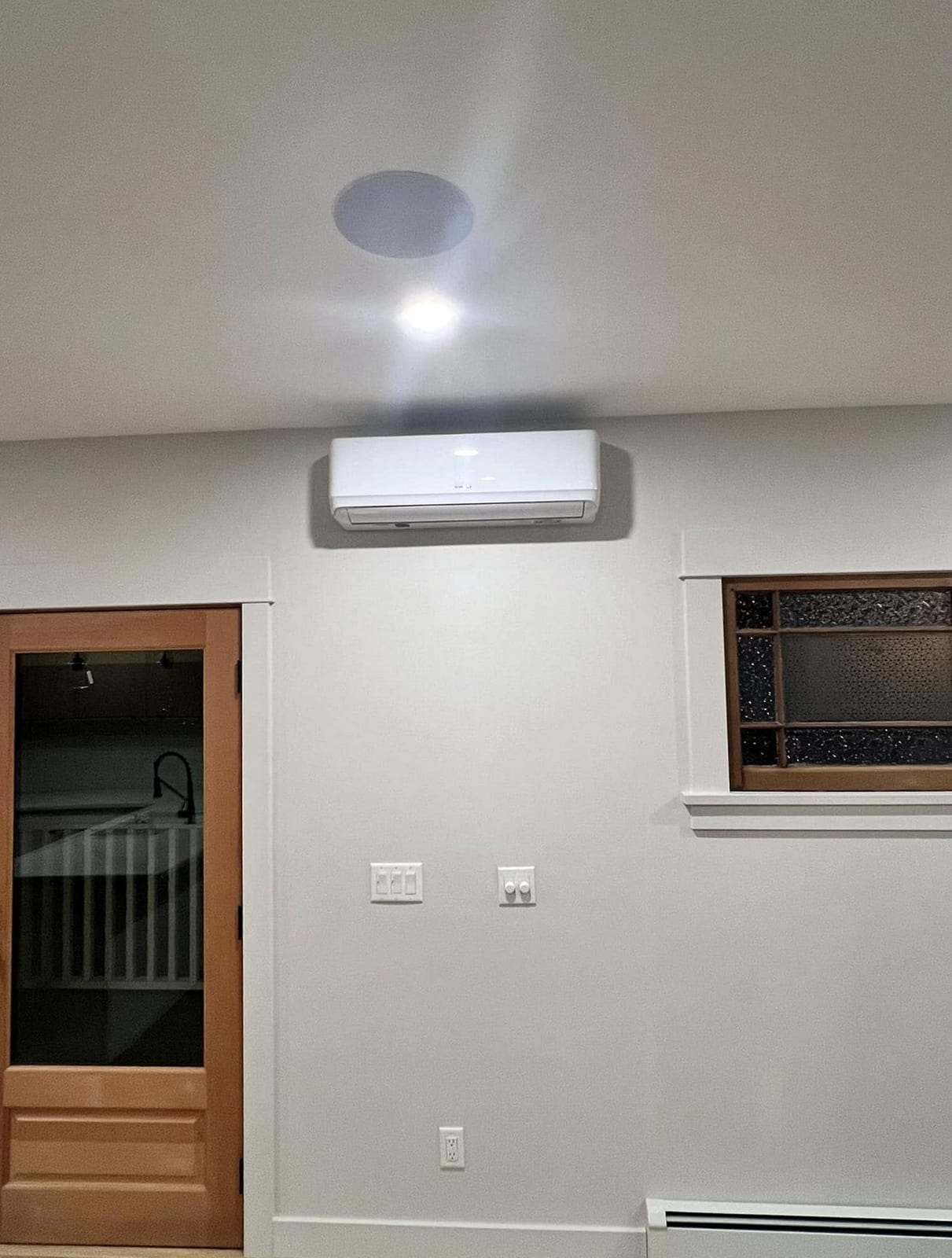
Most comfort complaints trace back to the equipment, the ducts or the controls, and the kind of house usually says which one to suspect first.
Match the Comfort Problem to the House
| Home type | Common comfort issue | Matching service |
|---|---|---|
| Older brick colonial with a basement furnace | Bedrooms upstairs run hot in summer and cool in winter: long supply runs and few return grilles on the second floor. | Ductwork changes to add returns and balance the runs |
| Two-family house with a furnace for each unit | One unit runs fine while the other short-cycles or locks out; the rental side’s filter and thermostat get forgotten. | Heating repair, one furnace at a time |
| House heated by a boiler and radiators | Cold radiators at the end of a loop, banging pipes, and no ducts for central air. | Boiler repair for the heat; ductless units for cooling |
| Bungalow or Cape Cod with a finished attic | The room under the roof overheats in summer and chills in winter; its ducts run through uninsulated knee walls. | A ductless head for the top floor |
| Ranch or split-level with central air | The air conditioner runs long and the house still feels clammy, or it starts and stops every few minutes. | AC repair: coil, charge and airflow checked |
| Any house with a system past saving | A cracked heat exchanger, a failed compressor on an old unit, or repairs stacking up season after season. | Replacement sized to the house and its ducts |
Signs It’s Time to Call
- Rooms that won’t even out. One bedroom stays several degrees off the rest of the house, even with every register open.
- New or louder noise. A squeal from the blower, a rattle in the cabinet, a bang when the burners light, or an outdoor unit that hums without starting.
- Frequent cycling. The furnace or air conditioner starts and stops every few minutes instead of running full cycles.
- Musty or burning smells. A dusty smell on the first cold day that fades is normal. A burning-plastic or electrical smell is not: turn the system off and call. A musty smell from the vents in summer often means a wet coil or drain pan.
- A thermostat that never gets there. The system runs and runs, and the house stays short of the number on the screen.
Ducts in Older Houses
Houses built before central air often got their ductwork later, fitted around joists, chimneys and stairways. The supply trunk tends to be generous and the returns few, so the blower works against high static pressure, the rooms at the ends of the runs get little air, and the furnace runs hotter than it should. Loose joints in the basement leak warm or cool air into the one space that needs it least.
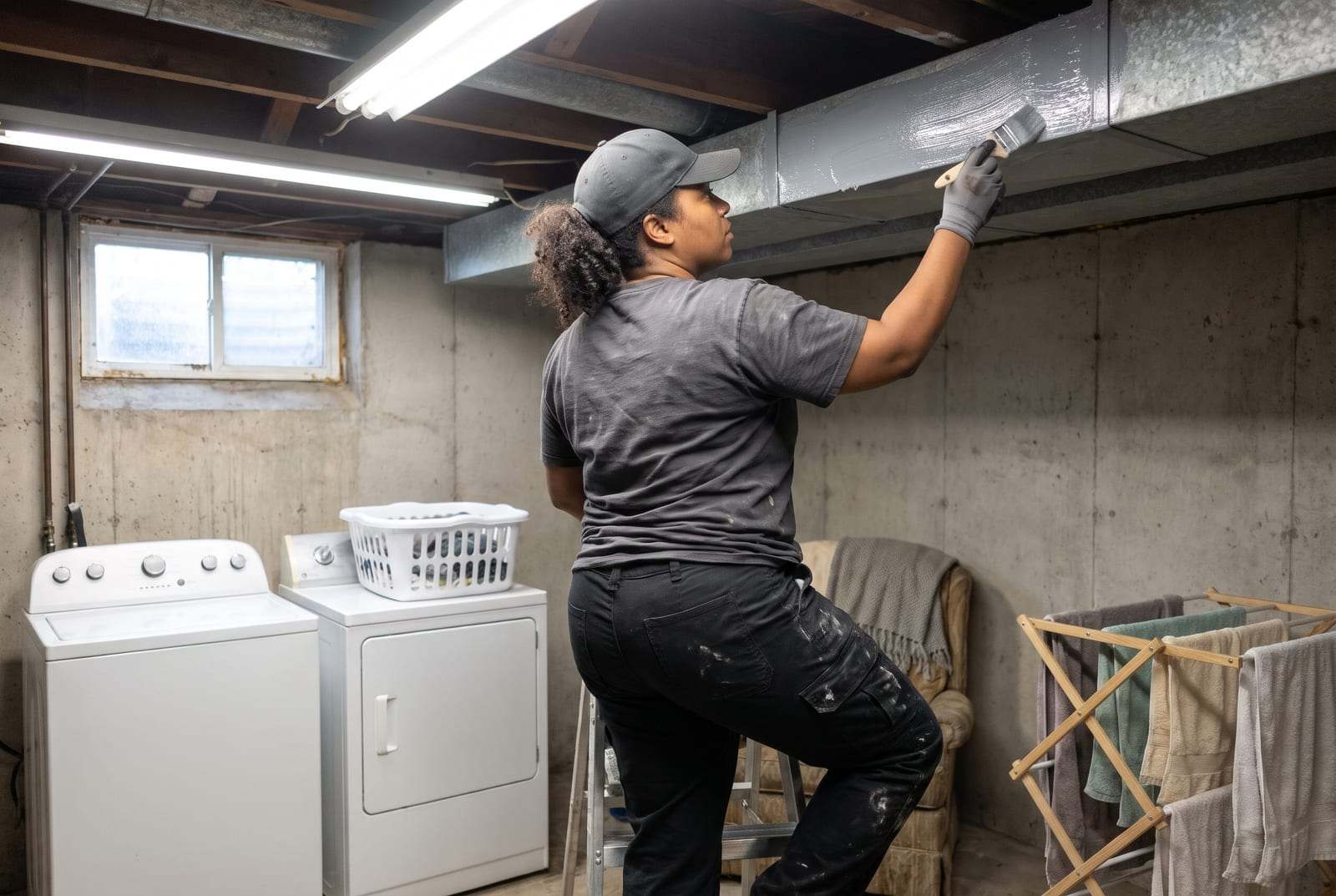
Ductwork repair and modification can mean sealing those joints, adding a return to a closed-off bedroom, replacing a crushed flex run or resizing a trunk for a new air conditioner. Measuring static pressure and the temperature rise across the furnace shows whether the ducts are holding the system back before anything gets cut.
Repair, Replace or Tune Up
Most calls end in a repair: an igniter, a flame sensor, a capacitor, a contactor or a clogged condensate line. A replacement makes sense when the heat exchanger is cracked, the compressor has failed on an older air conditioner, or the repairs keep coming. When that time comes, the new system is sized to the house and its ductwork with a load calculation, not copied from the old label.
A thermostat on an outside wall or over a supply register can make a sound system feel wrong. Thermostat installation can mean moving it to an inside wall, running a common wire for a smart model, or setting it up for a heat pump or a two-stage furnace.
Seasonal tune-ups catch small faults before the weather turns: a weak flame sensor in the fall, a matted condenser coil or a slow drain line in the spring. Between visits, keep up with the filter and the outdoor unit season by season.
Starting a Request
Choose the service, leave your name and number, and watch for a call to book the visit. If you aren’t sure which service fits, pick the closest one or call and talk it through.
Repair or Replace, and Getting Ready
How do I know whether my furnace is worth repairing?
Look at the part that failed and the shape of the rest. An igniter, flame sensor, pressure switch or blower capacitor is a routine repair on almost any furnace. A cracked heat exchanger, a failed control board on an old unit, or the third major repair in a few seasons points toward a replacement.
Should I replace the air conditioner and the furnace at the same time?
Not always. A newer furnace can stay when only the air conditioner has failed, as long as the new indoor coil fits it and its blower can move the air the new condenser needs. When both are old, replacing them together lets the coil, blower and outdoor unit be matched and sized as one system.
Can one cold or hot room be fixed without replacing the whole system?
Often. A problem room usually comes down to the ducts: a missing return, a crushed or disconnected run, or registers closed elsewhere in the house. If the ducts can’t carry enough air to it, a ductless mini-split can handle that room on its own.
What should I do before a technician comes to the house?
A few minutes of preparation saves time at the visit, mostly around access to the equipment and the details of the problem. Prepare the house for the visit once the appointment is set.