
HVAC Service for Rentals and Storefronts in Cleveland
Heating and cooling for landlords, property managers and business owners with several units, a mixed-use building or a shop to keep open.
Archwood Heating & AC works for landlords who rent out two-family houses, managers who look after small apartment buildings, and owners of storefronts and small offices where the heat has to work in January. The work is the same as in a single house: furnace and boiler repair, AC repair, replacements, ductwork, thermostats and tune-ups. What changes is the coordination: more than one unit, tenants who need notice, and a business that needs to stay open.
Each call starts by finding the failed part, whether that’s a flame sensor in a second-floor furnace or a contactor in a storefront’s condenser.
Buildings and the Equipment in Them
| Property type | Typical equipment | Common service need |
|---|---|---|
| Two-family house | A furnace for each unit, side by side in a shared basement, with separate thermostats; sometimes one boiler for both. | No-heat calls from one tenant, filters nobody changes, and two furnaces of the same age wearing out together. |
| Small apartment building | A central hot-water boiler with circulators and zone valves, or a furnace in each apartment’s closet. | Cold apartments at the end of a loop, a failed circulator, air in the lines, condensate drains backing up in closets. |
| Storefront with apartments above | Separate systems for the shop and each apartment, usually a furnace and split air conditioner per space. | A cold zone by the shop door in winter, and sorting out which system serves which space. |
| Small office or suite | A gas furnace with split air conditioning or a heat pump; sometimes a ductless head for a server or copier room. | One side of the office too warm, a thermostat everyone adjusts, and AC repair once summer loads arrive. |
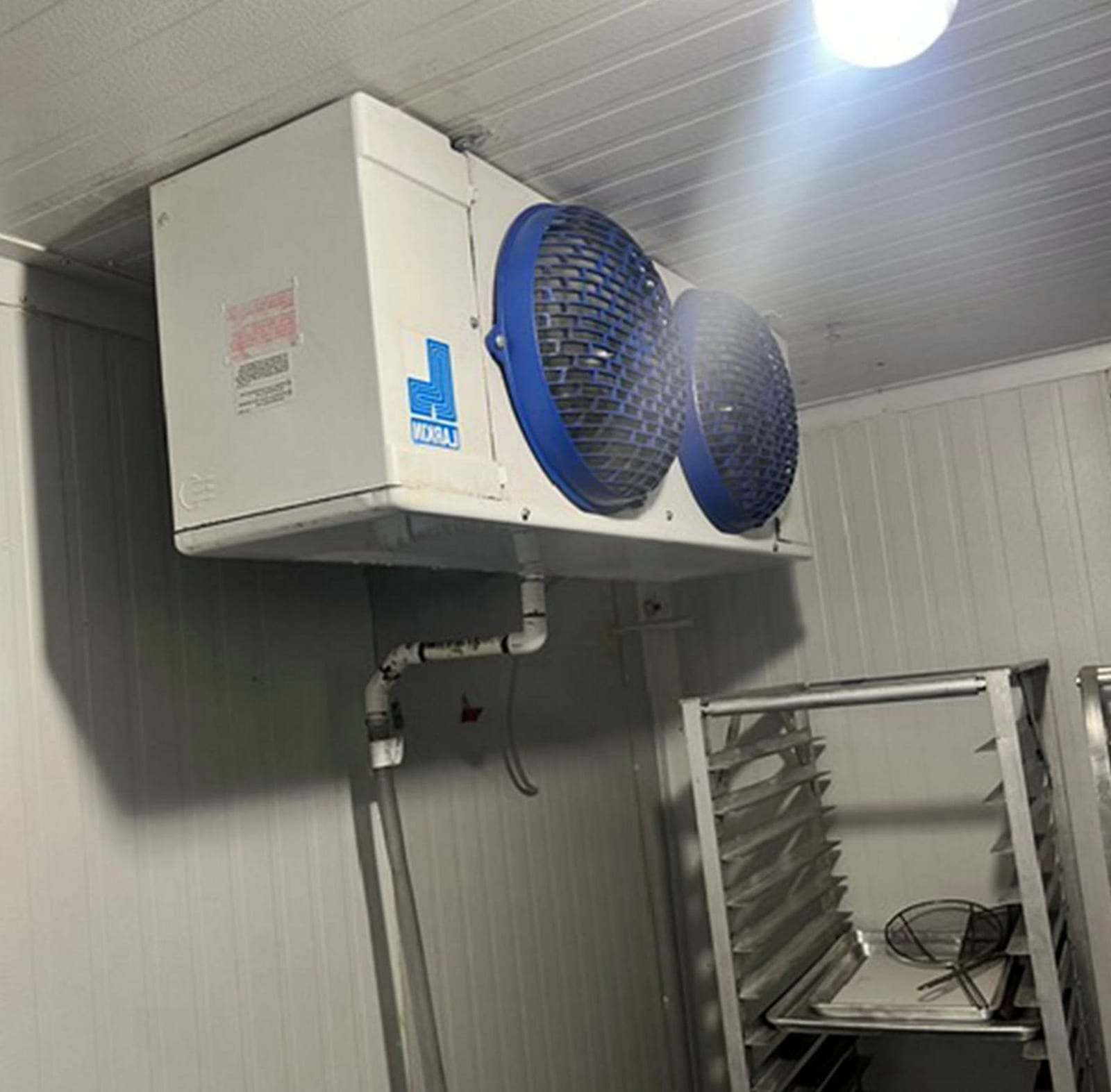
| Retail shop or back room | A packaged rooftop unit or a furnace and condenser; ceiling-mounted cooling units in stock rooms. | Coils clogged from long run times, weak capacitors, pitted contactors and blocked condensate lines. |
One Contact for the Whole Building
In a building with tenants, most of the delay on a service call happens before anyone reaches the furnace: which unit called, who has the key, whether the tenant knows. Settle those first, and the visit goes to the equipment.
Give tenants the notice their lease calls for before anyone enters, and say which units are part of the call. If several apartments have the same complaint, such as cold radiators on the top floor, say so up front: one fault in the boiler room can explain all of them, and that is where the diagnosis starts.
Information to Gather Before You Request Service
- Property name and address, and the name the building goes by in your records.
- Unit or suite numbers for every space with a problem, not only the one that called.
- An on-site contact: a name and phone number for someone who can answer questions and open doors.
- Access notes: keys or a lockbox, pets in the units, a roof hatch or ladder, and where a van can park.
- Where the equipment is: a basement mechanical room, unit closets, an attic, the roof or behind the building.
- What is happening: no heat or no cooling, in which units, since when, any noises, smells or blinking codes, and anything already tried.
Records for Each Unit
A one-page sheet per unit saves time on every call: the model and serial numbers of each furnace, boiler and condenser, the filter size, the install year if you know it, and the date of the last service. With several systems of different ages, that sheet also shows which one is next in line, so you can plan the replacement instead of meeting it in a cold snap.
Replacing one furnace in a two-family house raises its own question. If the two old furnaces vent into one chimney and one is swapped for a high-efficiency model with plastic vent pipe, the remaining furnace is left alone in a flue sized for two, which can need a liner to draft safely. A furnace with years left can keep running while its neighbor is replaced, as long as the venting is checked.
Cooling in Shops and Offices
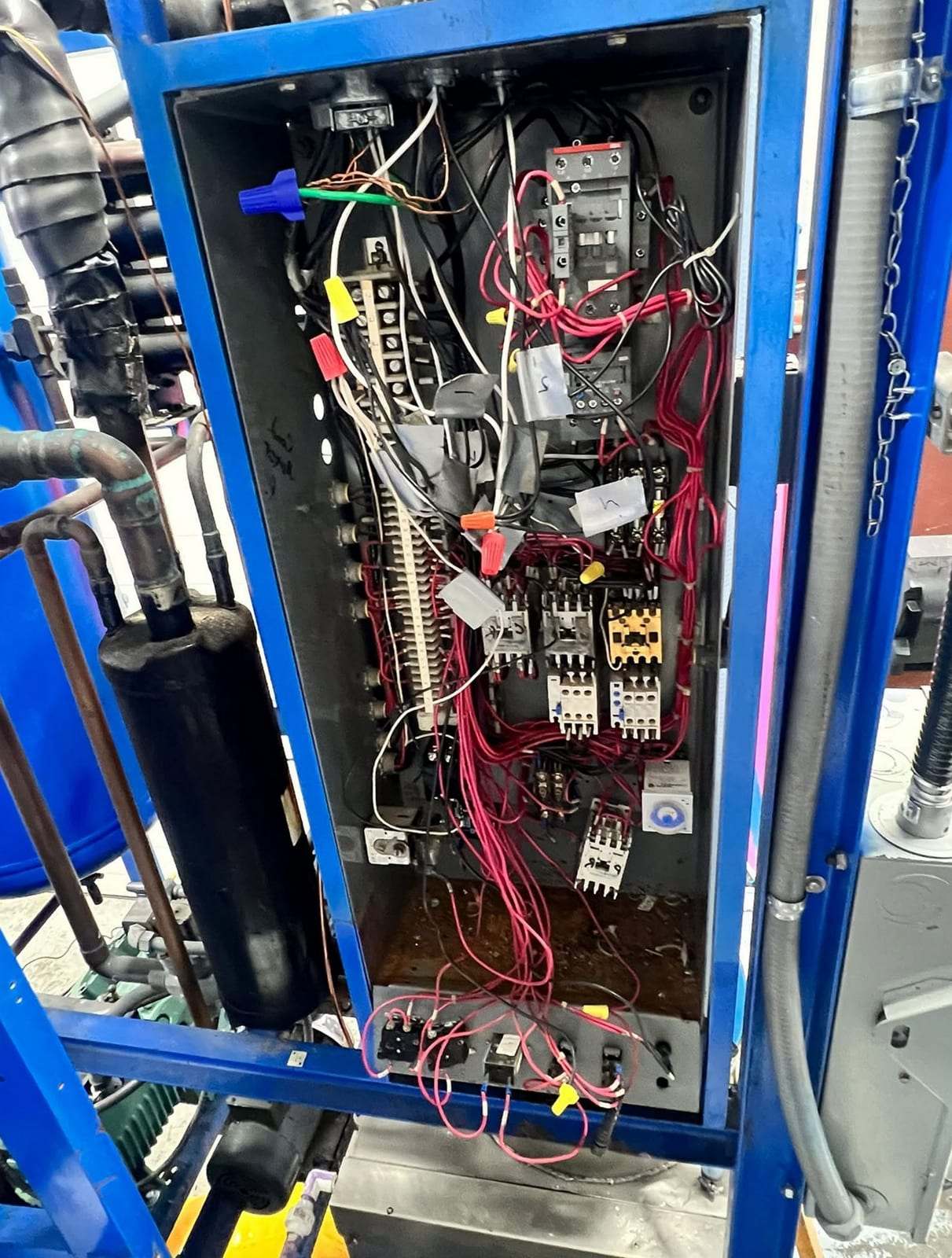
Commercial cooling equipment runs longer hours than a house system, with lights, computers, customers and an open door all adding heat. The electrical side wears first: contactors pit, capacitors weaken and relays stick, and a unit that hums without starting often has one of those at fault. Coils clog sooner too, especially near kitchens and busy streets, and a clogged coil drives head pressure up until the unit trips on its safety control.
Condensate is the other usual trouble spot: a drain line that clogs over a dropped ceiling can soak tiles and stock before anyone notices. A float switch that shuts the unit off when the pan fills prevents most of that mess.
Tenant Access and Several Units
How should I list several units on one request?
Put every unit or suite with a problem on the request, with its symptom, not only the tenant who called first. The same complaint in several units often traces to one shared part, such as a boiler circulator or a zone valve, so the full list helps the diagnosis.
Does the tenant need to be home for the visit?
Not always. What matters is that someone can open the door and that the tenant has had the notice the lease requires. The tenant often knows the most about the problem, so a short note from them on when it started and what it sounds like is worth passing along.
Who should the technician talk to about the repair, the tenant or me?
Decide that before the visit and name that person on the request. Tenants can describe the symptoms, but a repair or replacement decision belongs to the owner or manager, so give a number where one of you can be reached during the visit.
What can tenants check themselves before calling in a no-heat problem?
The thermostat setting and batteries, the breaker, the furnace switch and the filter are all safe for a tenant to check. Point tenants to the safe no-heat checks and ask them to leave the furnace panels closed.